Sunday, October 20, 2024

بچے کو لکیروں کے اندر رنگ کرنا کیسے سکھایا جائے۔


کسی بچے کو لکیروں کے اندر رنگ کرنا سکھانے کے لیے، رنگ بھرنے والی کتابوں سے شروع کریں جن میں بڑی، موٹی سرحدیں ہوں، آہستہ آہستہ پتلی لکیروں کی طرف بڑھتے جائیں جیسے جیسے ان کی مہارتیں بڑھیں گی۔ ان کی حوصلہ افزائی کریں کہ وہ اپنے کریون کے ساتھ تصویر کے خاکہ کو "ٹریس" کریں، مثبت کمک فراہم کریں، اور کمال پر زور دینے کی بجائے ایک تفریحی سرگرمی کے طور پر رنگنے کے عمل پر توجہ مرکوز کریں۔ بہتر گرفت اور کنٹرول کے لیے چنکی کریون استعمال کرنے پر غور کریں۔یاد رکھنے کے لئے اہم نکات: بڑی سرحدوں کے ساتھ شروع کریں: موٹی، آسانی سے پیروی کرنے والی لائنوں کے ساتھ رنگین صفحات کا انتخاب کریں تاکہ انہیں حدود میں رہنے کا تصور سیکھنے میں مدد ملے۔ لائنوں کو "ٹریس" کریں: اپنے بچے سے تصویر کے خاکہ پر زور دیتے ہوئے ان کے کریون کے ساتھ "لائن کی پیروی" کرنے کو کہیں۔ مثبت کمک: ان کی کوششوں کی تعریف کریں اور رنگ بھرنے کے تفریحی پہلوؤں پر توجہ دیں، بجائے اس کے کہ اگر وہ لائنوں سے باہر جائیں تو تنقید کریں۔ بتدریج ترقی: جیسے ہی وہ اعتماد حاصل کرتے ہیں، پتلی لکیروں اور مزید پیچیدہ ڈیزائنوں کے ساتھ رنگ بھرنے والے صفحات کی طرف بڑھیں۔ چنکی کریون: چھوٹے بچوں کے لیے، چنکی کریون رنگنے کے دوران بہتر گرفت اور کنٹرول فراہم کر سکتے ہیں۔ عمل پر توجہ مرکوز کریں: رنگ بھرنے کو ایک چنچل سرگرمی بنائیں، جس میں تلاش اور تخلیقی صلاحیتوں کی حوصلہ افزائی ہوتی ہے، بجائے اس کے کہ مکمل طور پر لائنوں کے اندر رہنے پر توجہ دیں۔

Making sure newborns and children under 5 years sleep safely


©

Tips and information

  • Have good quality sleep in a quiet environment:  14 – 17 hours (infants up to 3 months), 12 – 16 hours (infants 4 – 11 months), 11 – 14 hours (12 – 2 years of age), 10 – 13 hours (children beyond 2 years) 
  • Place a baby on their back to sleep and make sure they can breathe easily
  • Know that a baby should sleep on this back during the first year
  • Place a baby under a bednet to sleep in places where malaria is present
  • Understand that this will protect against mosquito bites, which pass on the disease


Engaging and having fun with newborns and children under 5 years


©

Tips and information

  • Talk to a newborn and young child and give them full attention
  • Know that talking to a newborn and young child will help them to learn and develop
  • Spend as much time as possible with a child and do things that are enjoyable
  • Encourage a child to play, learn and be physically active
  • Know that infants should be physically active every day for at least 30 minutes
  • Know that older children should be physically active for 180 minutes throughout the day
  • Avoid time sitting watching a screen for children less than 2 years
  • Limit screen time to 60 minutes for older children
  • Keep a child away from hazards that might hurt them, such as sharp objects, hot surfaces and deep water 

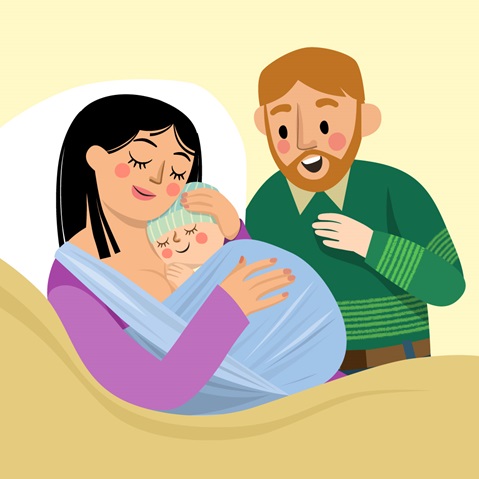
Caring for a newborn


©

Tips and information

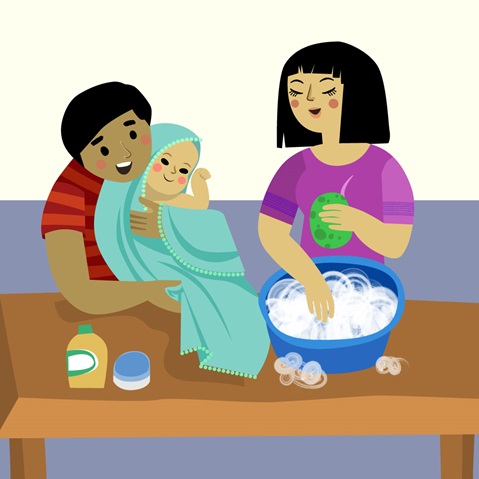
  • Wipe the baby dry and clean and delay the first bath for at least 24 hours
  • Keep the baby warm with one or two layers of clothes more than adults and keep the head covered with a hat
  • Have the baby tested for eye and hearing problems and for jaundice
  • Keep the umbilical cord dry and, not applying anything on it, such as ointment
  • Keep the baby and the mother together in the same room and allow the baby to feed on demand
  • When the baby is small, keep the baby in skin-to skin contact as much as possible every day
  • Wash hands with soap and water before handling the baby
  • Know the danger signs and where to seek care, such as if the baby is not feeding well, has fast breathing or a high temperature

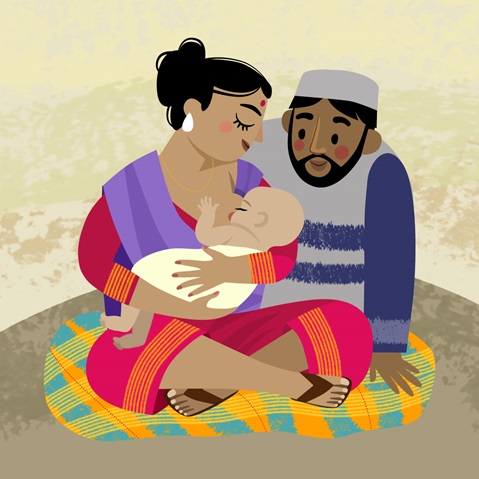
Feeding an infant or young child


©

Tips and information

  • If you need help with breastfeeding, ask others for advice, such as asking a trained health worker or other experienced women
  • Feed a baby only with breast milk for the first six months
  • Give the baby no fluids other than breast milk
  • Give small amounts of easy to digest food at 6 months and continue to breastfeed up to 2 years of age or beyond
  • Give a variety of foods that need chewing as the infant gets older daily, or as often as possible (such as meat, poultry, fish, fruit and vegetables or eggs)
  • Give food to infants directly using a spoon and feed slowly and patiently
  • Encourage children to eat but do not force them
  • Talk to children while they eat, with eye to eye contact
  • Help children to learn to feed themselves

Keeping newborns and children under 5 years clean and safe


©

Tips and information

  • Wash caregiver’s and children’s hands, such as before preparing and eating food, and after using the toilet
  • Use safe and clean water
  • Avoid going to the toilet in the open and disposing of human waste in the open
  • Store food safely and use clean utensils
  • Keep the home and baby’s clothing as clean as possible to protect from infection
  • Store unsafe and toxic substances safely out of reach of children
  • Keep the outdoor areas around the home clean
  • Secure open waters such as pools, wells and ponds so children cannot access them
  • Keep the home free of smoke from tobacco, cooking and heating

Feeding an infant or young child


 تجاویز اور معلومات اگر آپ کو دودھ پلانے میں مدد کی ضرورت ہو تو دوسروں سے مشورہ طلب کریں، جیسے کہ تربیت یافتہ ہیلتھ ورکر یا دیگر تجربہ کار خواتین سے پوچھنا۔ بچے کو پہلے چھ ماہ تک صرف ماں کا دودھ پلائیں۔ بچے کو ماں کے دودھ کے علاوہ کوئی مائع نہ دیں۔ 6 ماہ میں ہضم ہونے کے لیے آسان کھانا تھوڑی مقدار میں دیں اور 2 سال یا اس سے زیادہ عمر تک دودھ پلاتے رہیں۔ مختلف قسم کی غذائیں دیں جن کو چبانے کی ضرورت ہوتی ہے کیونکہ بچے کے روزانہ بڑے ہوتے ہیں، یا جتنی بار ممکن ہو (جیسے گوشت، مرغی، مچھلی، پھل اور سبزیاں یا انڈے) بچوں کو براہ راست چمچ کا استعمال کرتے ہوئے کھانا دیں اور آہستہ اور صبر سے کھلائیں۔ بچوں کو کھانے کی ترغیب دیں لیکن زبردستی نہ کریں۔ بچے کھاتے وقت ان سے آنکھ سے آنکھ ملا کر بات کریں۔ بچوں کو خود کھانا کھلانا سیکھنے میں مدد کریں۔

پیدائش کے بعد بچے کو خوبصورت کیسے بنایا جائے؟

  بچوں کی جلد نازک ہوتی ہے۔ ایک ہلکے موئسچرائزر کے ساتھ ہلکے سے مساج بچے کو دن میں تین سے چار بار دیا جا سکتا ہے۔ سورج کی روشنی میں روزانہ ک...